

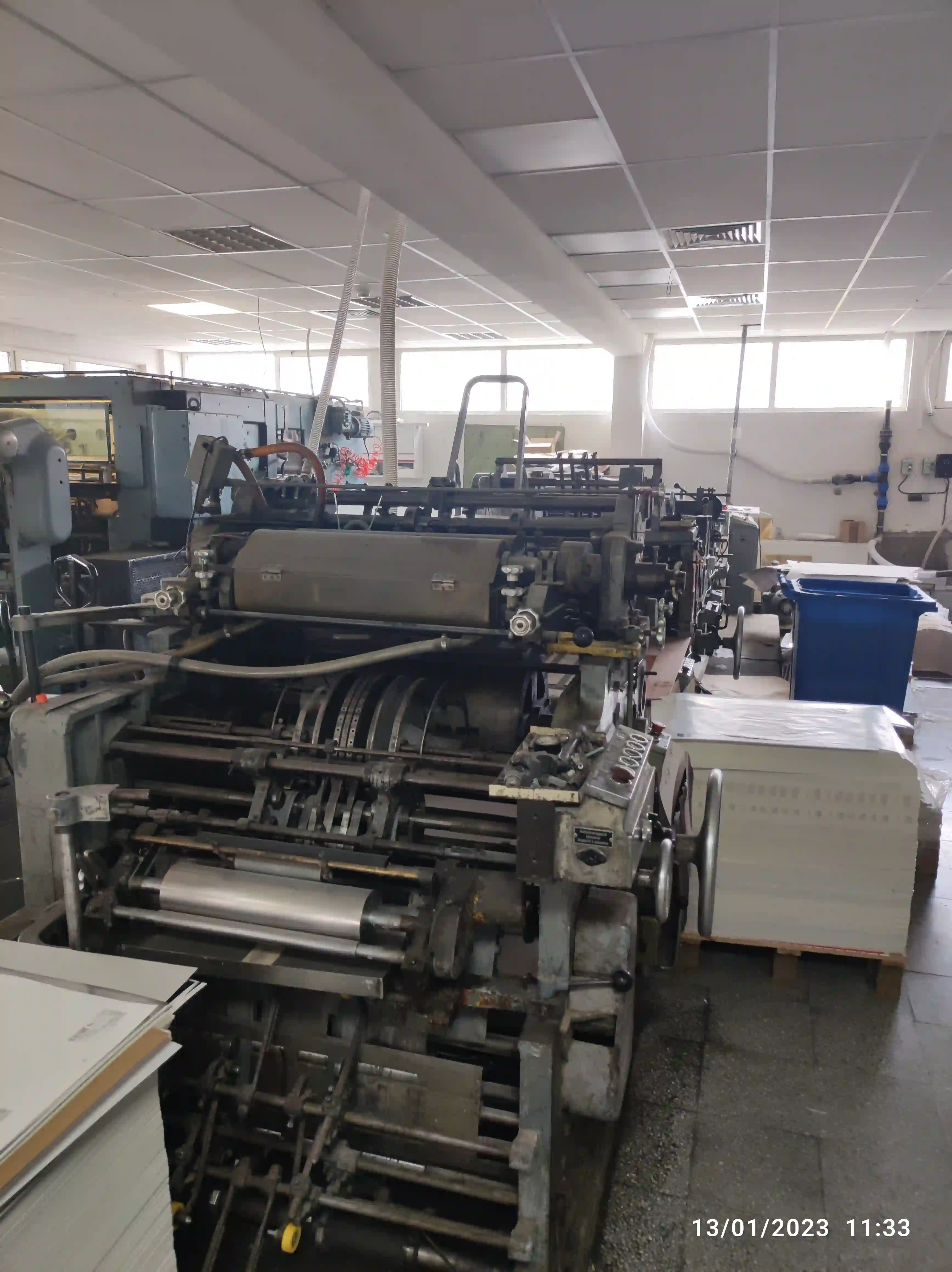
USED ENVELOPE PRODUCTION MACHINE WINKLER & DUNNEBIER (W+D) 26G
Expand your stationery and paper converting operations with the highly dependable Winkler & Dunnebier (W+D) 26G Envelope Production Machine. Specifically engineered for the high-speed manufacturing of greeting card envelopes and small to medium sizes, this machine is an industry standard. Known for its robust German engineering, the W+D 26G seamlessly handles blank feeding, folding, accurate gumming, and high-volume delivery, making it a vital asset for commercial envelope manufacturers.
- Condition: The machine is in a good technical state. It has been well-maintained, with all folding mechanisms and gumming stations functioning smoothly.
- Extras: Supplied with lots of spare parts, including extra folding rollers, belts, gears, and adhesive components to ensure continuous, uninterrupted production.
- Price: 16,000 EUR - "AS IS" In Kostinbrod, Bulgaria, EU
The Paper Converting Workflow: Printing, Die Cutting, and Print Finishing
The journey from flat paper to a finished, functional product (like a greeting card envelope) involves three major, highly specialized industrial stages. The W+D 26G fits perfectly at the end of this workflow as a premier print finishing and converting machine.
1. The Printing Process
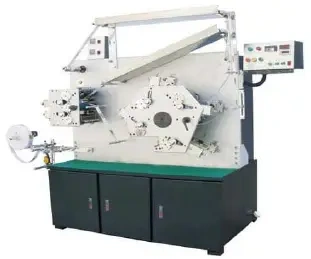
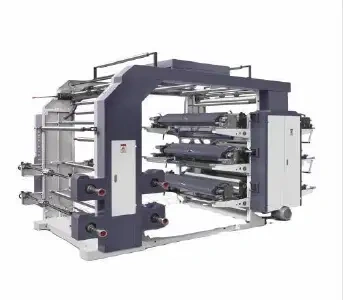
[Diagram Placeholder: Commercial Offset Printing Process]Before any folding happens, the paper must be printed. For commercial envelopes, this is typically done via offset lithography (for high-quality, vibrant graphics on the outside) or flexography (often used for high-speed, security tint printing on the inside). The ink is applied to large sheets or continuous paper webs, branding the material before it is cut.
2. The Die Cutting Process
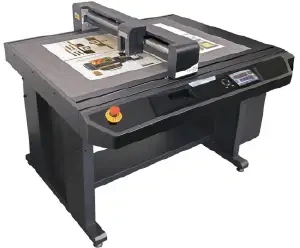
[Diagram Placeholder: Flatbed Envelope Blank Die Cutting Process]Once printed, the paper must be cut into the exact shape required for the final product. For envelopes, this is usually a diamond or cross-shaped "blank".
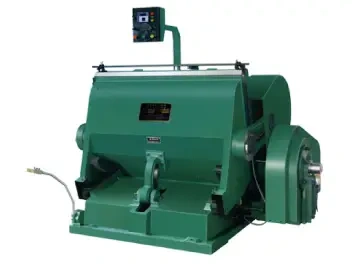
- Flatbed Die Cutting: A hydraulic press stamps a custom-made wooden board fitted with sharp steel blades (the die) through a thick stack of printed paper, punching out the exact shapes simultaneously.
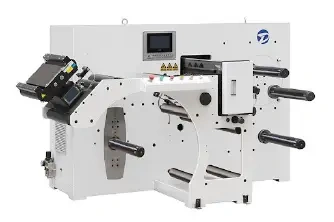
- Rotary Die Cutting: For ultra high-speed web (roll-fed) production, a cylindrical die continuously cuts the paper as it unwinds.
3. Print Finishing & Converting (The W+D 26G Process)
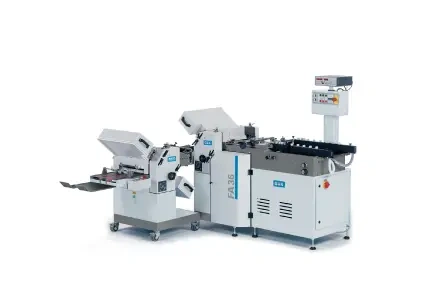
[Diagram Placeholder: Envelope Folding and Gumming Mechanism]This is where the Winkler & Dunnebier 26G takes over. It converts the flat, die-cut blanks into ready-to-use envelopes:
- Feeding: The pre-cut paper blanks are fed into the machine from a stack magazine.
- Folding & Scoring: High-speed cylinders and folding knives precisely score and fold the paper to create the side, bottom, and top (seal) flaps.
- Gumming (Gluing): The machine applies a permanent adhesive to the side and bottom flaps to form the pocket. It also applies a moisture-activated (or peel-and-seal) gum to the top seal flap.
- Delivery: The finished envelopes are dried, counted, and stacked continuously on a delivery conveyor, ready for packaging.
Interested in the W+D 26G Envelope Machine?
Contact our machinery sales team today to request a video of the machine in action, discuss envelope size format changes, or arrange shipping logistics.
Call Now: +359 878 421 007 Email Us for Details