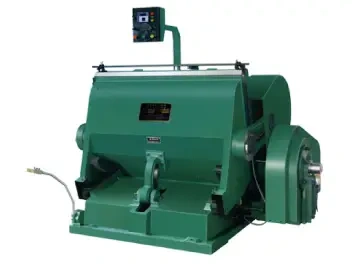


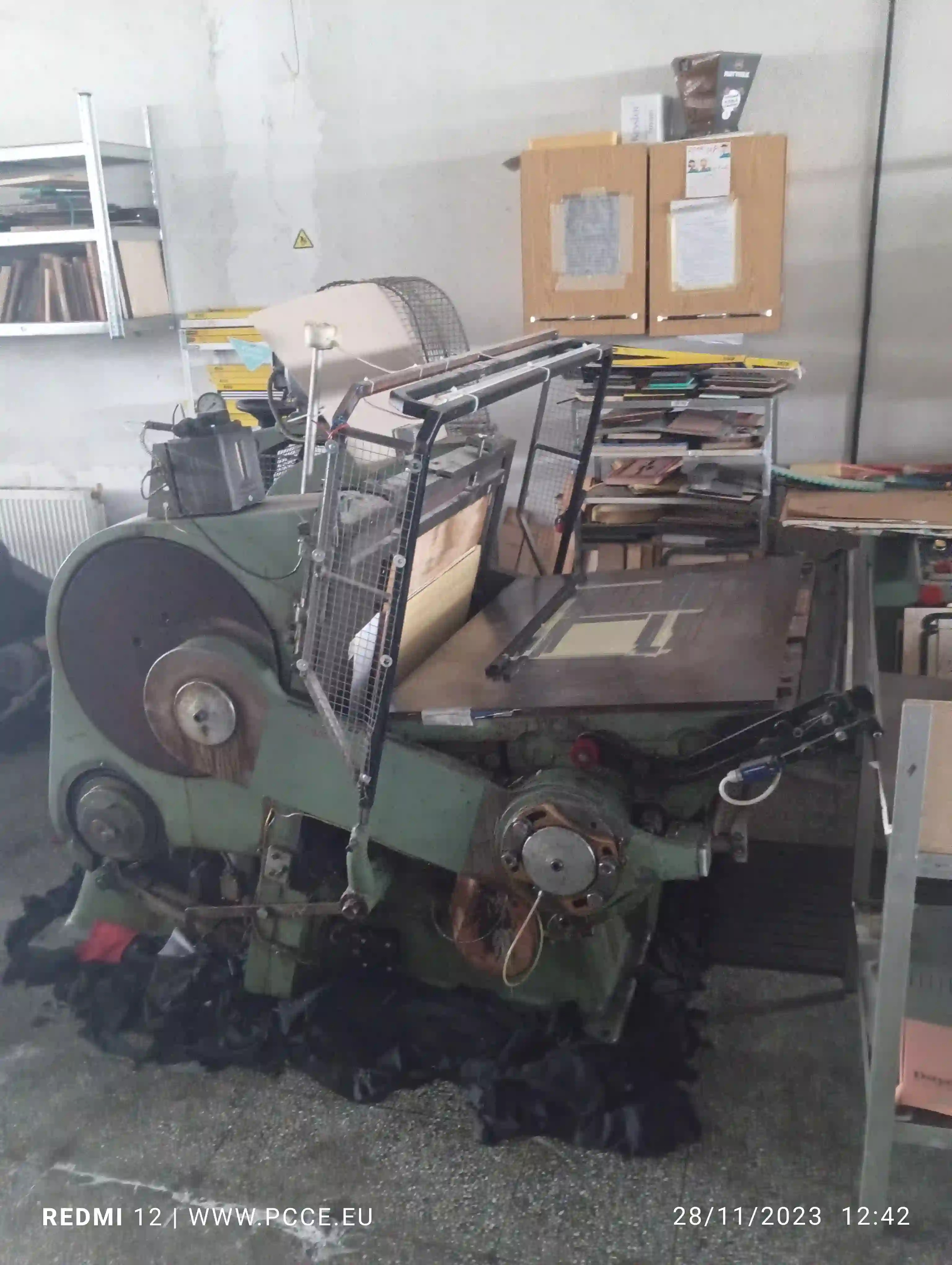
USED LARGE CLAMSHELL FLAT DIE CUTTER SIMON CROSLAND (105 x 75 CM)
Maximize your large-format packaging and display production with this Heavy Duty Simon Crosland Large Clamshell Flat Die Cutter. Accommodating an impressive maximum sheet size of 105 x 75 cm, this rugged platen press is engineered to deliver massive, uniform cutting pressure. It effortlessly cuts, creases, and punches through dense solid board, heavy corrugated sheets, and plastics, making it an indispensable asset for commercial converters and packaging manufacturers.
- Condition: The machine is in a good technical state. Its heavy cast-iron frame and moving parts have been properly maintained to ensure safety and precision.
- Extras: Supplied with lots of spare parts, including extra chases, cutting plates, and mechanical linkages to keep production running smoothly.
- Price: 11,000 EUR - "AS IS" In Kostinbrod, Bulgaria, EU
The Manufacturing Workflow: Printing, Die Cutting, and Print Finishing
The creation of high-quality packaging and point-of-sale displays requires a coordinated industrial workflow. Here is how a heavy-duty machine like the Simon Crosland integrates into your production process.
1. The Printing Process
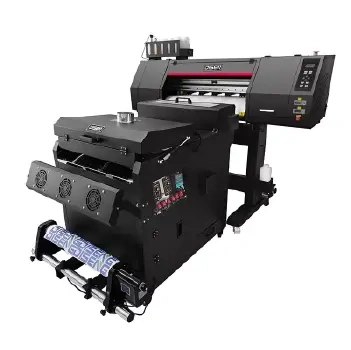
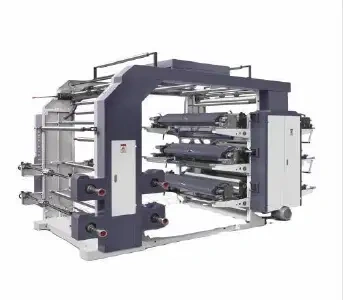
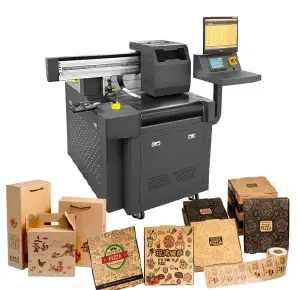
First, the raw cardboard or paper substrate is printed. For large formats like 105 x 75 cm, this is typically executed on large-format commercial offset presses or industrial flexographic machines.
After the sheets are printed and the ink is cured, they are stacked onto pallets and moved to the converting department.
2. The Die Cutting Process (Clamshell Mechanism)
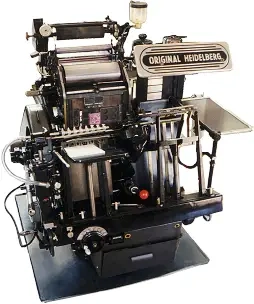
This is where the printed sheets take their structural form. A clamshell die cutter (also known as a platen press) uses a hinged, jaw-like mechanism.
- Setup: A wooden board fitted with sharp steel cutting rules and blunt creasing rules (the die) is locked into the static side of the machine.
- Action: The operator or automatic feeder places the printed sheet on the moving platen. The machine closes with tremendous force—often hundreds of tons—pressing the sheet flat against the die.
- Result: Because the pressure is applied uniformly across the entire 105 x 75 cm area simultaneously, clamshells are perfect for cutting exceptionally thick or rigid materials that might jam a rotary die cutter.
3. Print Finishing & Final Assembly
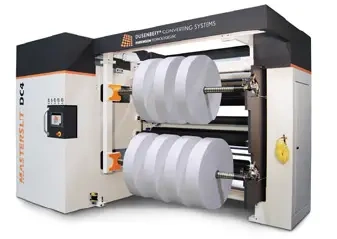
Once the sheet is die-cut and creased, the waste material (matrix) is stripped away to leave the flat blank.
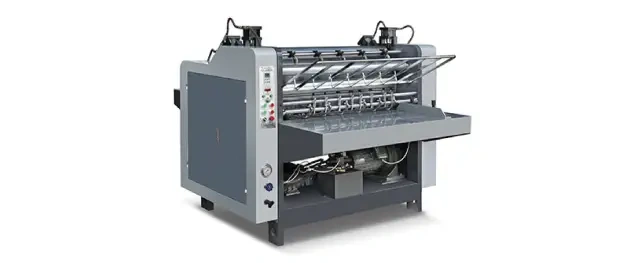
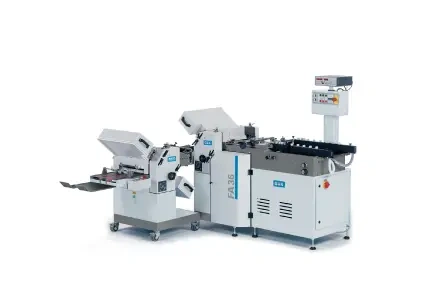
The blanks are then fed into folder-gluer machines. High-speed belts and guides fold the carton along the crease lines created by the Simon Crosland press, while nozzles apply adhesive. The finished box is ejected flat, ready for shipment and final assembly by the client.
Interested in the Simon Crosland Die Cutter?
Contact our team today to request a video of the machine in action, discuss specific substrate compatibilities, or arrange logistics and freight details.
Call Now: +359 878 421 007 Email Us for Details